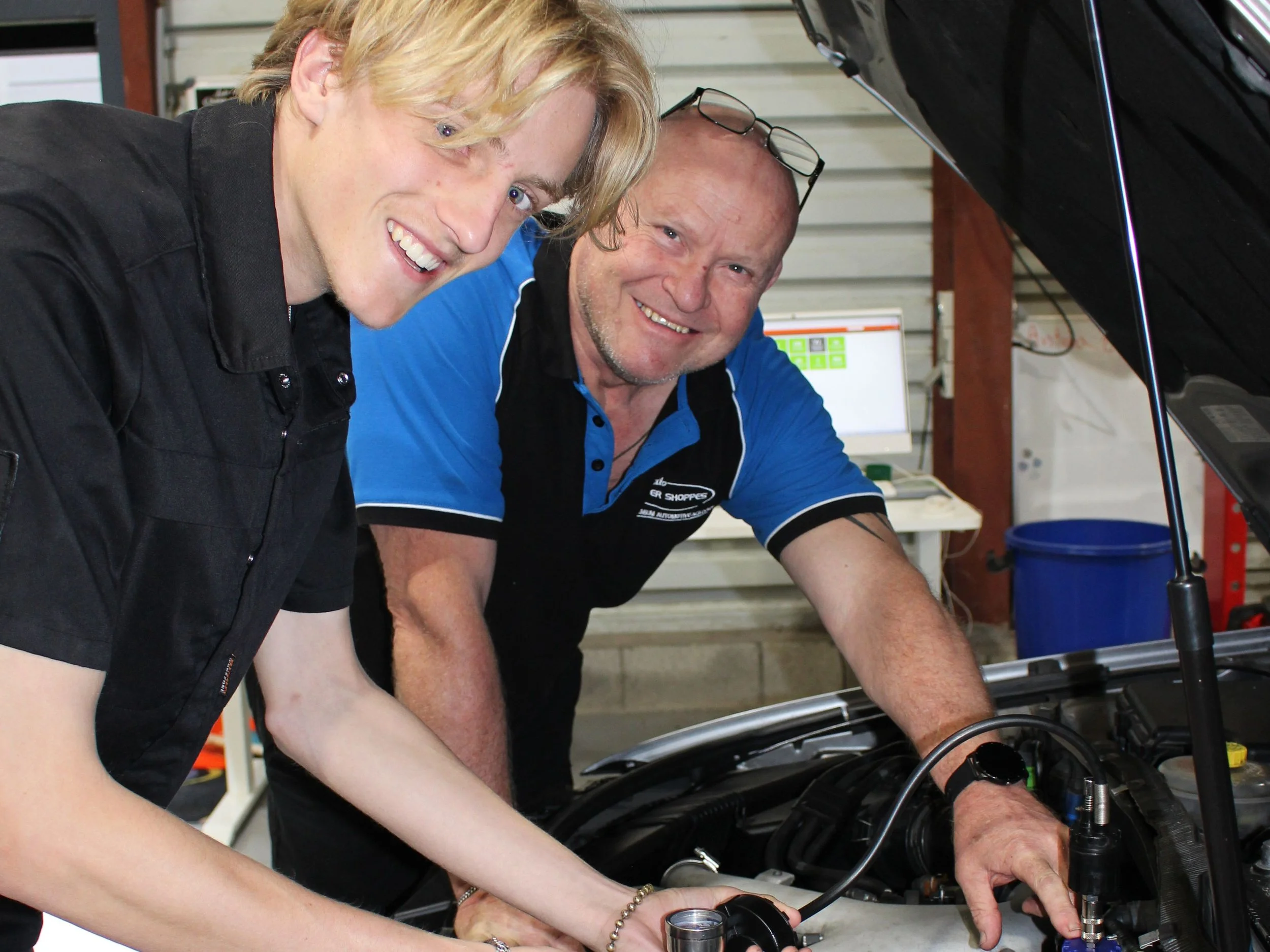
With a national shortage of over 1,000 automotive repair tradespeople, New Zealand Collision Repair Association’s recent apprenticeship grants are helping small businesses to attract and keep people in the industry. New Zealand Collision Repair were able to provide these opportunities to apprentices after receiving grant funding from the Inspiring Futures Foundation.
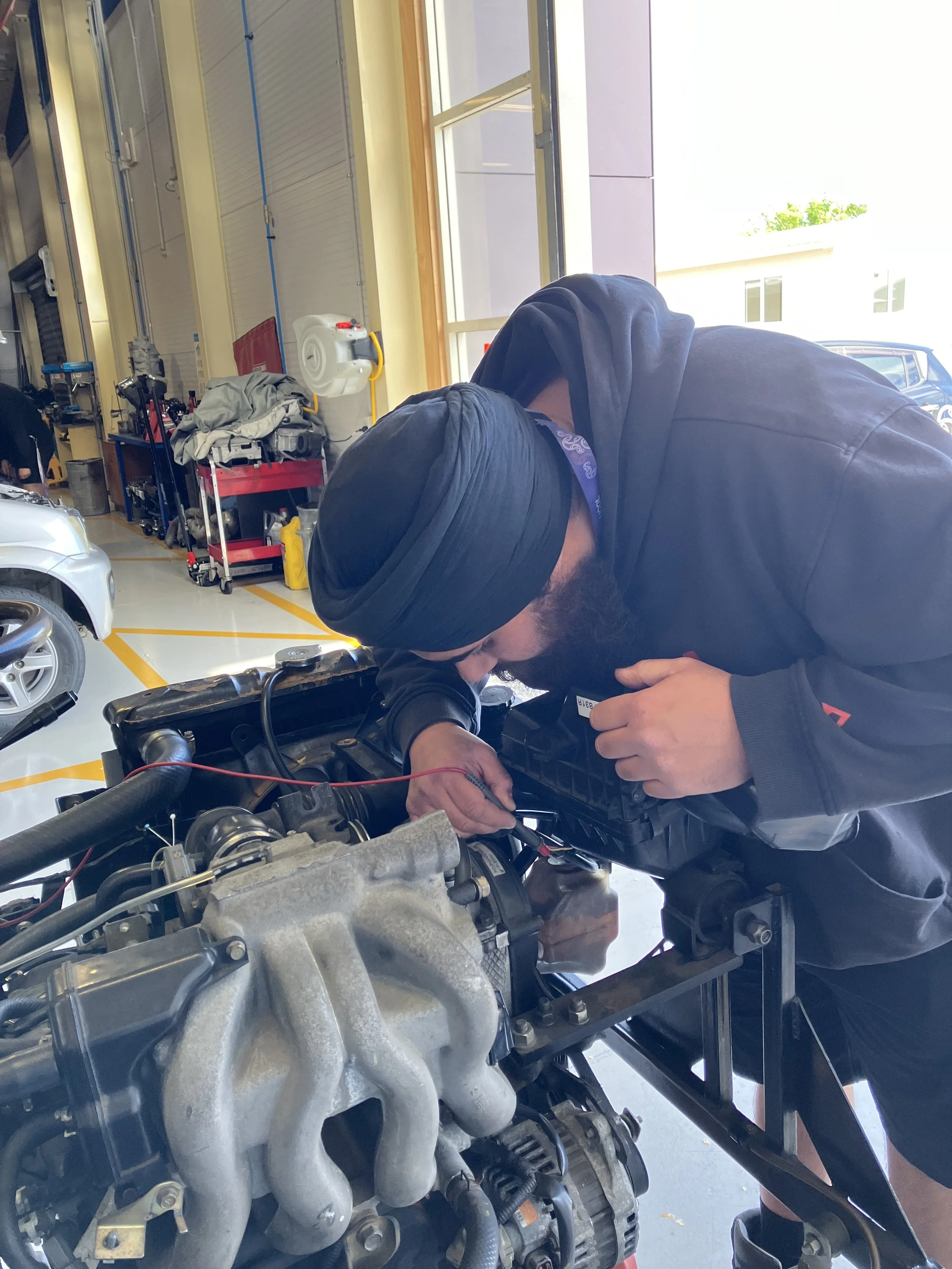
Trinity Clegg (20) from Southern Lakes Panel Beating Ltd in Wanaka is one of six apprentices benefiting from the new grants provided by New Zealand Collison Repair. “The funding gave me a massive confidence boost, especially as a woman in a male-dominated industry.
“Growing up, I always wanted to work on cars but so many people in my life told me that girls shouldn’t do that. Receiving this funding made me feel appreciated and reassured, like yes, I can do this. I’d love to see more women getting into the panel and paint industry.”
For Stewart Gibb, General Manager of New Zealand Collision Repair, he calls the country’s skills shortage ‘severe’. "We’re having to look overseas for skilled workers when we have people here who just need a bit of support to be able to enter the industry. Our long-term goal is to train more New Zealanders from all walks of life, and this Funding is an important step towards making that path more accessible."
As new technology helps and disrupts the industry’s usual ways of working, Gibb says funding is important for improving skill diversity and local businesses’ economic health. “We are seeing the benefit of apprentices learning a wide set of skills so that they can work across different areas of the repair business. Funding to train up good, multi-skilled staff will help sustain many small-medium sized businesses and allow them to provide a competitive edge."
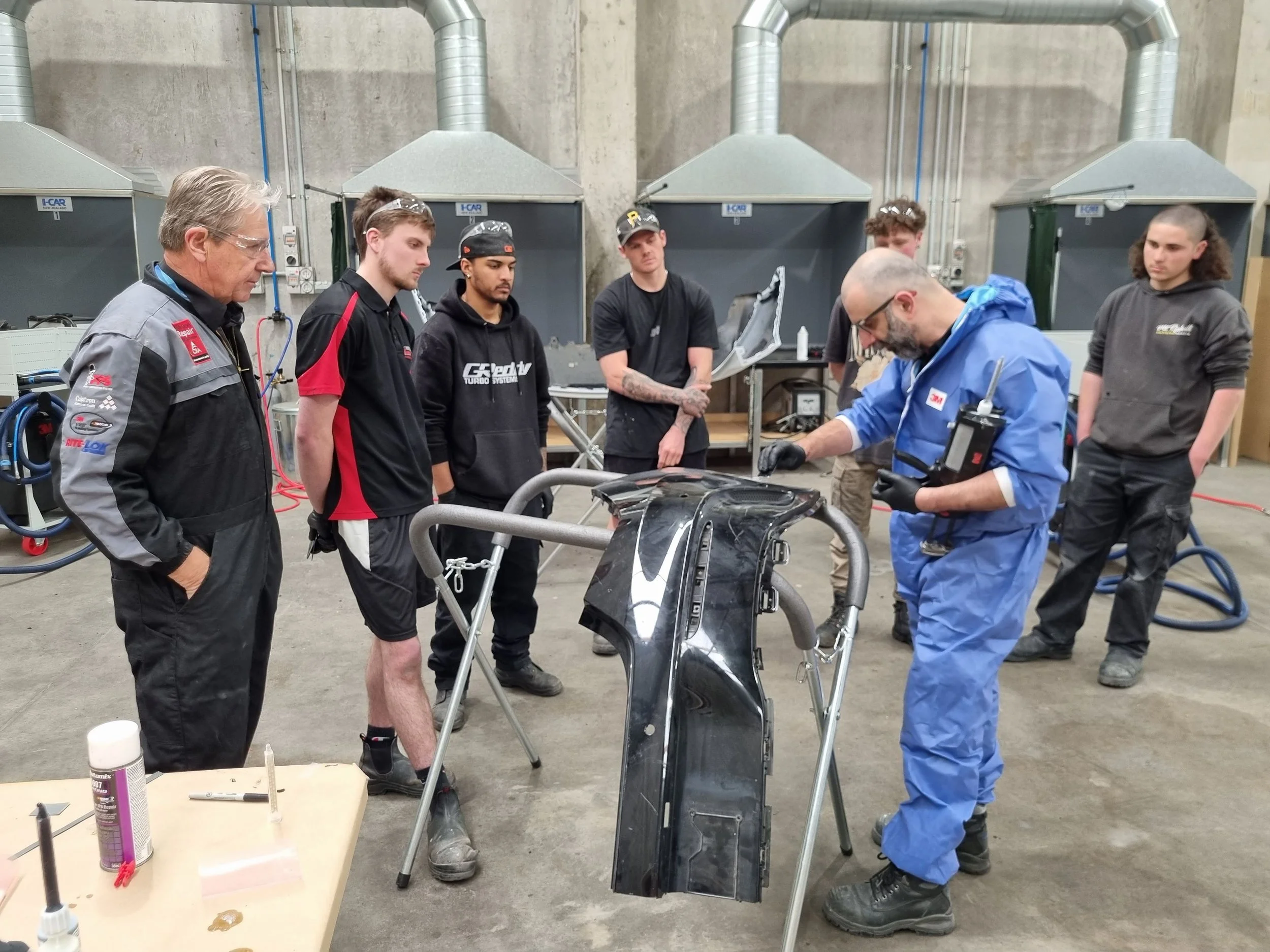
Enabled by a grant from the Foundation, New Zealand Collision Repair has helped various businesses train and retain apprentices, covering their MITO Te Pūkenga fees, and includes hands-on mentoring by industry expert Rick Lunn from Smart Trade Solutions Limited.
”I think the funding combined with the mentorship helps to keep people in the profession,” adds Clegg. “When you’re younger, it’s easy to get overwhelmed when things get hard and it makes you want to throw in the towel. However, to know that you’ve got that help and support, you’ve got all the motivation you need to keep trying. They’re giving us a huge leg up so we can succeed.”
The Inspiring Futures Foundation isn’t limiting its fundings to the automotive industry alone -with grant opportunities also available to businesses involved in transport & logistics, drilling, gas, mining and quarrying industries, among others. The next round of grant applications opens on 1 March 2024. For more information about applying for funding visit www.inspiringfutures.nz
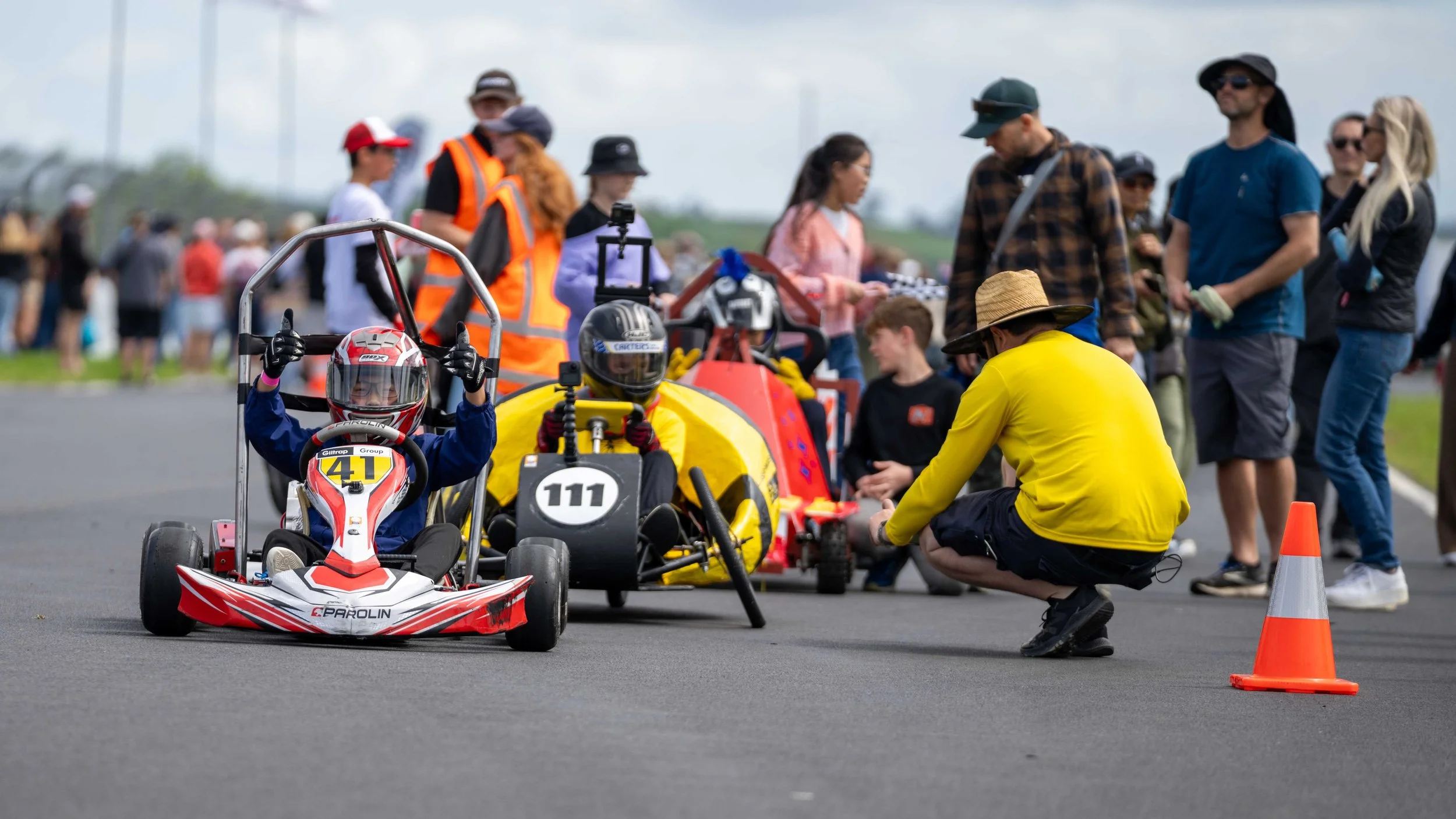
For most students in Aotearoa, the experience of designing and welding together an electric kart’s chassis is something entirely new, and so is the idea of a career in engineering.
This is where a free, nationwide programme from EVolocity connects the dots, and the Inspiring Futures Foundation (IFF) is proud to be backing them as a Premier Sponsor.
EVolocity's core programme gives Year 7–13 students the creative freedom to design, engineer, and build their own electric karts or bikes, using an electric motor kit as their starting point. Along the way, these students pick up skills including project management, teamwork, CAD design, and welding.
The programme runs across Auckland, Bay of Plenty/Rotorua, Waikato, Taranaki, Manawatū, Wellington, Nelson, and Canterbury/Otago, with teams working alongside teachers and mentors before competing at Regional Finals.
Jo Morgan, Head of Partnerships at EVolocity Charitable Trust, said the IFF’s belief and advocacy will be genuinely transformative in answering the call-to-action for more engineers and youth with engineering skills.
“We’re doing everything we can to inspire rangatahi into engineering and innovation, however, securing sustainable funding is always a challenge. IFF stepped in at exactly the right moment.
“A multi‑year commitment of this scale gives us the stability and runway we need to grow our impact as a charity.”
IFF Convenor Louise Sixton, says that, for IFF, partnerships like this go far beyond funding, especially when considering a national shortage of engineers.
“EVolocity represent mentorship, the opportunity for young people to try something new, and a doorway towards potential STEM careers. It’s exciting that, together, IFF and EVolocity are bridging the gap between the classroom and industry.”
CEO of and co-founder of Heartlab, Will Hewitt (25) competed in EVolocity at just 15 years old while at Nelson College. Three years later, he co-founded HeartLab, a cloud-native cardiac imaging platform that uses AI to support cardiologists across New Zealand, Australia, and the United States. At the time, he credited EVolocity for giving him an engineer's mindset and the critical thinking skills he uses every day.
Jackson Crawford, formerly of Mahurangi College, took a similar path. He went from building his first electric vehicle as an EVolocity student to becoming an Avionics Team Lead at Dawn Aerospace. Jackson is now working on a next-generation spaceplane designed to operate in micro-gravity environments. He has said that EVolocity gave him hands-on exposure to real-world skills and a head start over many of his peers at university.
With no government funding, Morgan says EVolocity relies entirely on the financial support of corporate sponsors and funding partners to deliver the programme.
“This grant has lifted a significant weight off our shoulders, and we are deeply grateful for IFF’s support.”
Visit the Inspiring Futures Foundation website for more information on the grants available: www.inspiringfutures.nz